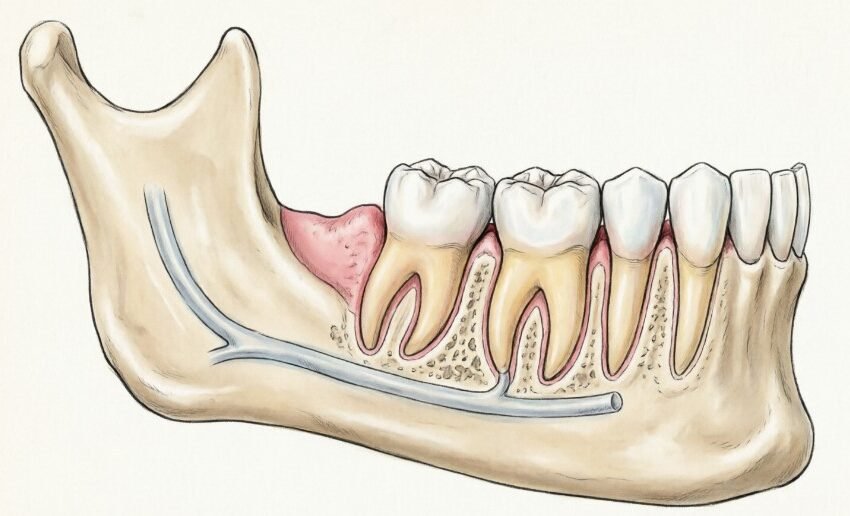
A mesial impaction wisdom tooth occurs when your third molar tilts forward toward the front of your mouth. This common dental issue affects millions of people and often requires professional intervention. Understanding the signs and treatment options helps you make informed decisions about your oral health.
Key Takeaways
✓ Mesial impaction represents the most common type of wisdom tooth impaction, affecting approximately 40% of cases.
✓ Early detection through regular dental X-rays can prevent serious complications like cysts and damage to adjacent teeth.
✓ Recovery typically takes 7-10 days for initial healing, with complete bone regeneration occurring within 3-6 months.
✓ Modern surgical techniques have reduced complication rates to less than 5% when performed by experienced oral surgeons.
✓ Leaving impacted wisdom teeth untreated can lead to infection, crowding, and costly dental problems later.
What Is Mesial Impaction Wisdom Tooth?
A mesial impaction wisdom tooth develops when the third molar grows at an angle, pointing toward the front teeth instead of erupting vertically. This forward tilt creates unique challenges for both patients and dental professionals.
Understanding the Angled Growth Pattern
The tooth positions itself against the second molar, creating pressure that can cause significant discomfort. This angle prevents proper eruption through the gum tissue. The crown of the wisdom tooth pushes against the roots of the neighboring molar, which can lead to root resorption over time.
Why Does This Happen?
Several factors contribute to this condition. Your jaw simply may not have enough space to accommodate all 32 teeth. Evolutionary changes have reduced jaw size in modern humans while tooth count remains the same. Genetics also play a crucial role in determining tooth positioning and jaw development.
How Common Is This Condition?
Research from 2025 shows that mesial impaction represents approximately 40-45% of all wisdom tooth impactions, making it the most frequently occurring type. The American Association of Oral and Maxillofacial Surgeons reports that about 85% of adults eventually need at least one wisdom tooth removed.
Recognizing Symptoms and Warning Signs
Identifying problems early can save you from severe pain and complications. Your body sends clear signals when something is wrong.
Pain and Discomfort Patterns
You will likely feel pressure or aching in the back of your jaw. This discomfort often worsens when chewing or opening your mouth wide. The pain may radiate to your ear, temple, or neck area. Some people experience headaches that seem to come from nowhere.
Swelling and Inflammation
The gum tissue around the affected area becomes red, swollen, and tender. You might notice difficulty opening your mouth fully. Bad breath and unpleasant taste in your mouth often accompany these symptoms. The lymph nodes under your jaw may swell as your body fights infection.
When to Seek Immediate Care
Don’t wait if you experience severe swelling, fever, or difficulty swallowing. These signs indicate a serious infection requiring urgent attention. Persistent pain lasting more than a few days warrants a dental visit. Early intervention prevents complications.
Diagnosis and Imaging Techniques
Modern dentistry uses advanced technology to assess your condition accurately.
Panoramic X-Rays
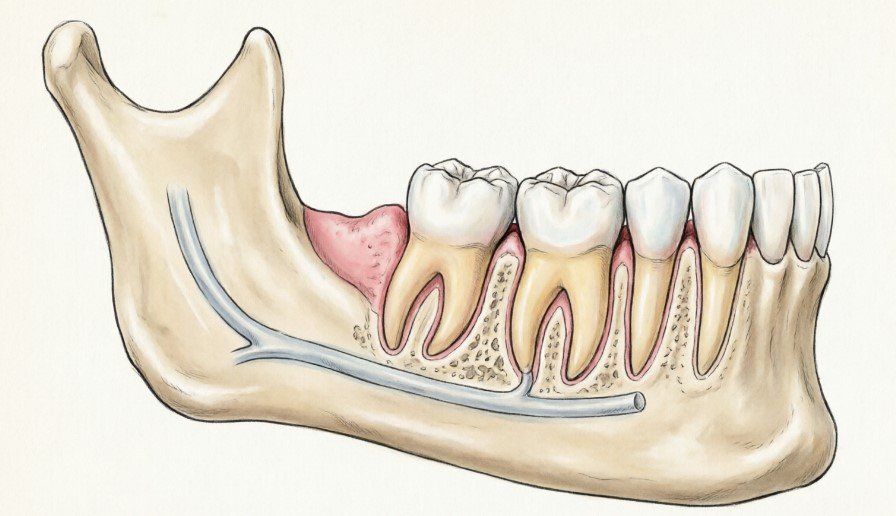
Your dentist will order a panoramic radiograph to see the entire mouth structure. This imaging shows the exact angle and position of the impacted tooth. It reveals the relationship between the wisdom tooth and nearby structures like nerves and sinuses. The American Dental Association recommends panoramic imaging for comprehensive evaluation.
3D Cone Beam CT Scans
For complex cases, oral surgeons use cone beam computed tomography. This technology provides three-dimensional views of your jaw structure. It helps surgeons plan the safest extraction approach. The scan shows precise nerve location, reducing surgical risks significantly.
Clinical Examination
Your dentist examines your mouth visually and manually. They check for swelling, redness, and gum pockets around the area. The examination includes testing your bite and jaw movement. This hands-on assessment complements imaging results.
Treatment Options and Surgical Procedures
Treatment depends on your specific situation and symptom severity.
Monitoring Without Intervention
Some cases require only regular observation. If the tooth causes no symptoms and shows no signs of damaging adjacent teeth, your dentist may recommend watchful waiting. Annual X-rays track any changes in position or development. This approach works for select patients with low-risk impactions.
Surgical Extraction Process
Most mesial impaction wisdom tooth cases require removal. The procedure typically takes 30-60 minutes per tooth. Your oral surgeon makes an incision in the gum tissue to access the tooth. They may need to remove some bone and section the tooth into pieces for easier removal.
Anesthesia Choices
You have several options for comfort during surgery. Local anesthesia numbs only the surgical area. IV sedation helps you relax while remaining conscious. General anesthesia puts you completely to sleep. Discuss your preferences and medical history with your surgeon to choose the best option.
Recovery Timeline and Aftercare
Proper aftercare ensures smooth healing and prevents complications.
First Week Recovery
| Day | Expected Symptoms | Care Instructions |
|---|---|---|
| 1-2 | Moderate swelling, minor bleeding | Apply ice packs, bite on gauze, rest |
| 3-4 | Peak swelling, possible bruising | Switch to warm compresses, soft foods only |
| 5-7 | Decreasing discomfort | Gentle saltwater rinses, gradual activity increase |
Long-Term Healing Process
Complete bone regeneration takes 3-6 months. The gum tissue heals within 2-3 weeks. You can return to normal activities after about one week. Avoid strenuous exercise for 7-10 days to prevent bleeding.
Managing Pain and Swelling
Over-the-counter pain relievers like ibuprofen work well for most patients. Your surgeon may prescribe stronger medication for severe cases. Keep your head elevated when resting to reduce swelling. Stick to soft, cool foods for the first few days.
Potential Complications and Prevention
Understanding risks helps you prepare and prevent problems.
Dry Socket Development
This painful condition occurs when the blood clot dislodges from the extraction site. It affects about 2-5% of routine extractions but up to 20% of lower wisdom tooth removals. Smoking significantly increases your risk. Following post-operative instructions carefully prevents this complication.
Nerve Damage Concerns
The inferior alveolar nerve runs close to lower wisdom teeth. Temporary numbness occurs in about 1-2% of cases according to 2025 data. Permanent nerve damage is extremely rare, affecting less than 0.5% of patients. Advanced imaging helps surgeons avoid nerve injury.
Infection Prevention
Keep the surgical site clean to prevent infection. Rinse gently with saltwater starting 24 hours after surgery. Take prescribed antibiotics as directed. Watch for signs like increased swelling, fever, or pus discharge. Contact your surgeon immediately if these symptoms appear.
Cost Considerations and Insurance
Financial planning helps reduce stress during treatment.
Typical Procedure Costs
Simple extractions range from $200-$600 per tooth. Surgical removal of impacted teeth costs $800-$2,500 per tooth. Anesthesia adds $200-$800 depending on the type. The National Institute of Dental and Craniofacial Research provides resources for understanding dental procedure costs.
Insurance Coverage
Most dental insurance plans cover 50-80% of extraction costs. Medical insurance may contribute if the procedure addresses infection or disease. Check your policy details before scheduling surgery. Many oral surgeons offer payment plans for uninsured patients.
When Extraction Becomes Medically Necessary
Insurance coverage improves when extraction addresses active infection, cysts, or damage to adjacent teeth. Documentation of symptoms and radiographic evidence strengthens your case. Your oral surgeon can help navigate insurance requirements.
Frequently Asked Questions
What makes mesial impaction wisdom tooth different from other types?
A mesial impaction wisdom tooth angles forward toward your front teeth, making it the most common impaction type. Other types include distal (tilted backward), vertical (upright but trapped), and horizontal (lying sideways). The forward angle creates unique pressure on the second molar.
Can a mesial impaction wisdom tooth ever erupt naturally?
Rarely. The forward angle and lack of space typically prevent natural eruption. Unlike vertical impactions that might emerge with time, mesial impactions almost always require surgical intervention. Attempting to wait for natural eruption often leads to complications.
How long can you safely leave a mesial impaction wisdom tooth untreated?
If asymptomatic and not damaging adjacent teeth, monitoring may be appropriate for years. However, most dental professionals recommend removal between ages 17-25 when roots are not fully formed. Waiting increases surgical complexity and complication risks as you age.
Will removing a mesial impaction wisdom tooth affect my other teeth?
Extraction prevents damage to your second molar and maintains proper alignment. Some patients worry about shifting, but removing impacted wisdom teeth actually protects your dental health. The space created does not cause noticeable changes to your bite or smile.
What are the signs that a mesial impaction wisdom tooth is causing infection?
Look for increased pain, swelling, fever, bad taste, and difficulty opening your mouth. The gum tissue may appear red and feel warm to touch. Pus discharge indicates active infection requiring immediate treatment. Don’t ignore these warning signs.
Is sedation necessary for mesial impaction wisdom tooth removal?
Sedation is not mandatory but highly recommended for patient comfort. Local anesthesia alone works for simple cases, but most patients prefer IV sedation or general anesthesia. The choice depends on your anxiety level, procedure complexity, and surgeon recommendation.
Taking action now protects your long-term oral health. Schedule a consultation with an oral surgeon to evaluate your specific situation. Modern techniques make the procedure safer and more comfortable than ever before. Don’t let fear delay necessary treatment.