Figuring out how to dilute terpenes to spray is the secret to boosting your harvest aroma and flavor. Many growers mess up the ratios and burn their crops. Let’s get the mix right so your plants thrive without any chemical stress.
Key Takeaways
- ✓ Always use a safe carrier liquid like MCT oil or specific agricultural surfactants.
- ✓ Keep your final mixture between 1 percent and 2 percent for most botanical applications.
- ✓ Never spray pure concentrates directly on foliage to avoid phytotoxicity.
- ✓ Apply your mixture during early morning or late evening for best absorption.
The Basics of Botanical Sprays
Growing high quality botanicals requires attention to detail. Adding aromatic compounds can make your final product stand out in a crowded market. But you can’t just pour raw extracts on leaves. Plants need a gentle approach. Why risk burning your crop over a simple math error?
Why Add Aromatic Compounds to Your Crop?
Consumers want better smelling and tasting flowers. Adding these natural extracts brings back aromas lost during drying. It also helps mask harsh smells if your grow room had minor issues. The truth is, a great smell often convinces buyers the taste will be just as good.
Choosing the Right Carrier Liquid
Water and oil don’t mix well on their own. You need a proper emulsifier. Food grade polysorbate 20 works well for small batches. For larger agricultural runs, look at commercial wetting agents approved for food crops. Some growers prefer MCT oil for its neutral scent, but it can leave a slight residue on the leaves. Here’s the thing, skipping the emulsifier will ruin your entire batch.
How to Dilute Terpenes to Spray Safely
Getting the ratios right is the most important part of this process. Too strong, and you will burn the plant tissue. Too weak, and you waste your money. Let’s be honest, nobody wants to ruin a month of hard work.
Calculating the Perfect Ratios
The golden rule for most growers is a 1 to 2 percent concentration. This means 10 to 20 milliliters of extract per liter of carrier liquid. Always measure by volume or weight, but never guess. Guessing is the fastest way to ruin an entire harvest. Let’s look at a quick breakdown for a standard 5 gallon bucket.
Mixing Steps for a Consistent Blend
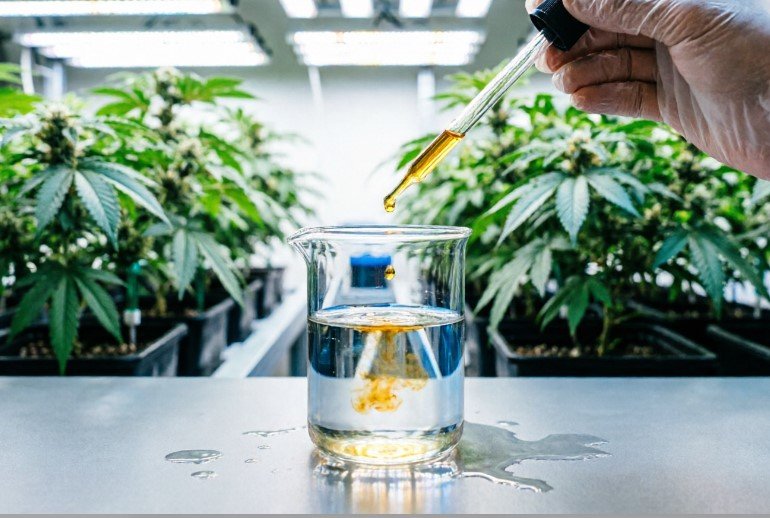
Start by adding your emulsifier to warm water. Stir it gently until it dissolves completely. Next, pour in your aromatic extract. Mix everything together until the liquid turns slightly cloudy. This cloudy look means the oils are properly suspended.
| Growth Stage | Extract Concentration | Carrier Liquid Ratio | Application Frequency |
|---|---|---|---|
| Early Veg | 0.5% | 5 ml per liter | Once every 14 days |
| Late Veg | 1.0% | 10 ml per liter | Once every 10 days |
| Early Flower | 1.5% | 15 ml per liter | Once every 7 days |
| Late Flower | 2.0% | 20 ml per liter | Stop 14 days before harvest |
Application Techniques for Maximum Impact
You have the perfect mix. Now you need to apply it correctly. Spraying is an art form that takes a little practice. If you are wondering how to dilute terpenes to spray for large commercial tents, scale up these ratios using a mechanical mixer.
Timing Your Foliar Feeding
Never spray under hot grow lights. The liquid acts like a magnifying glass and will scorch your leaves. The best time is right when the lights turn off or right before they turn on. If you are growing outdoors, pick a cloudy day or wait until the sun goes down completely. Stomata are open and ready to absorb the mixture.
Equipment You Need for an Even Coat
Use a high quality pump sprayer with an adjustable nozzle. You want a fine mist, not heavy droplets. Heavy drops will just run off the leaves and waste your solution. Make sure your equipment is perfectly clean before every use.
“Getting the emulsion right is the difference between a great harvest and a burned crop. Always test on a single leaf first.” – Dr. Aris Thorne, Lead Agronomist, Botanical Research Institute, 2026.
“The 2026 EPA guidelines on volatile organic compounds mean we have to be smarter about our sprays. Lower concentrations applied more frequently yield better results with less environmental impact.” – Sarah Jenkins, Director of Compliance, Green Grow Alliance, 2025.
Safety and 2026 Regulatory Updates
Working with concentrated plant extracts requires respect. These are highly volatile substances (which means they evaporate quickly). You must follow the latest rules to keep your operation legal and safe.
Handling Volatile Organic Compounds
The Environmental Protection Agency (EPA) updated its guidelines for agricultural volatile organic compounds in late 2025. You must wear proper respiratory protection when mixing raw concentrates. Always work in a well ventilated area to avoid inhaling strong fumes. Check the latest EPA agricultural spraying regulations for your specific region. You can also review local university guidelines at Oregon State University Extension for regional advice.
Essential Gear and Safety Rules
Here is what you need to gather before you start mixing:
- A clean plastic or glass mixing container
- A precise digital scale or measuring syringe
- A high quality emulsifier like polysorbate 20
- Protective nitrile gloves and safety goggles
- A fine mist pump sprayer
Follow these safety rules to protect yourself and your plants:
- Keep all raw extracts away from open flames or sparks.
- Store mixed solutions in dark glass bottles away from heat.
- Label every container clearly with the date and concentration.
- Never mix different botanical extract brands in the same tank.
Frequently Asked Questions
Can I use water alone to thin out my extracts?
No, water and essential oils repel each other. You must use an emulsifier to bind them together. Think of the emulsifier as a bridge that connects the oil and water molecules together. Without it, the oil will just float on top and burn your plants.
How often should I apply these foliar feeds?
Most growers see the best results by applying the mixture once a week during the flowering stage. Always stop all foliar feeding at least two weeks before you chop your plants. This prevents any residual taste in the final bud.
What is the safest way to figure out how to dilute terpenes to spray for sensitive strains?
Start with a very weak 0.5 percent solution and test it on a single fan leaf. Wait 24 hours to check for any yellowing or burning. If the leaf looks healthy, you can safely spray the rest of your canopy.
Will spraying affect the natural flavor of my harvest?
If you use high quality, botanical derived profiles, it will add to the natural flavor. Using synthetic food grade flavorings can leave a harsh, chemical aftertaste. Always choose products made specifically for agricultural use.
Do I need special permits to spray these mixtures commercially?
Regulations vary by state and country. In the US, the USDA and EPA oversee agricultural spray additives. Some states require a basic agricultural handler certificate even for organic additives. Check with your local department of agriculture to see if your specific blend requires registration. Visit the USDA organic guidelines for more details.
Can I mix different flavor profiles together?
You can, but it is very easy to create a muddy, unpleasant smell. It is much better to stick to single strain profiles or carefully designed blends. Test small amounts in a cup before mixing a full batch.
Mastering this process takes a bit of trial and error, but the results are absolutely worth the effort. Start with low concentrations and keep detailed notes on how your specific strains react. Your next harvest will smell better and taste smoother than ever before.